BACKGROUND OF THE STUDY
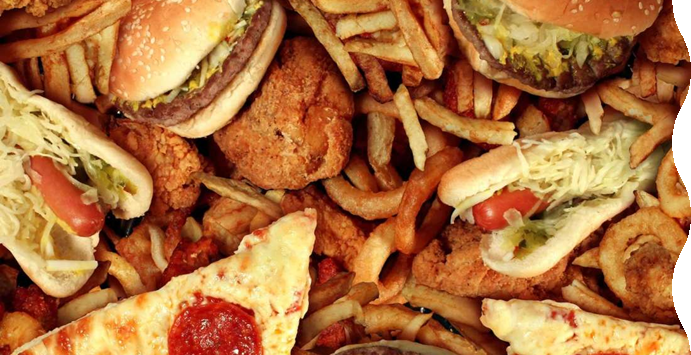
The majority of people in most of the developed world get more than half their calories from processed, fast, and fake foods. The fast food health risks are shocking. And it’s only getting worse. The global fast food market is growing. And the demand for packaged foods is predicted to increase asp well. Industrialized food industry giants like KFC, Nestlé, and McDonald’s are aggressively expanding in developing nations and getting people hooked.
But these foods are also altering your brain and your mental health – fueling depression, mental illness, and other issues.p According to a study published in the Public Health Journal, people who eat fast foods are 51% more likely to develop depression compared to those who eat little or no fast food.
OTHER DOCUMENTED IMPACTS FROM THESE JUNK FOODS INCLUDE:
·Brain fog – is a general term for dysfunctions in focus, learning, and memory that can create brief episodes of confusion, disorientation and frustration. Brain fogp is a source of anxiety for many older patients
·Mood swings – A mood swing is an extreme or rapid change in mood. Such mood swings can play a positive part in promoting problem solving and in producing flexible forward planning
·Anxiety – A feeling of worry, nervousness, or unease, typically about an imminent event or something with an uncertain outcome. Anxiety is a normal and often healthy emotion. However, when a person regularly feels disproportionate levels of anxiety, it might become a medical disorder. Anxiety disorders form a category of mental health diagnoses that lead to excessive nervousness, fear, apprehension, and worry.
·Violence and aggression – Aggression and violence are terms often used interchangeably; however, the two differ. Violence can be defined as the use of physical force with the intent to injure another person or destroy property, while aggression is generally defined as angry or violent feelings or behavior. A person who is aggressive does not necessarily act out with violence. Issues with aggression and violence or their effects can be addressed in therapy with the help of a mental health professional.
junk food is linked to a higher risk of:
JUNK FOOD IS LINKED TO A HIGHER RISK OF:
•Obesity – is a condition that is associated with having an excess amount of body fat, defined by genetic and environmental factors that are difficult to control when dieting. Obesity is classified as having a Body Mass Index (BMI) of 30 or greater.
•Depression – is a common and serious medical illness that negatively affects how you feel, the way you think and how you act. Fortunately, it is also treatable. Depression causes feelings of sadness and/or a loss of interest in activities once enjoyed. It can lead to a variety of emotional and physical problems and can decrease a person’s ability to function at work and at home.
•Digestive Issues – Common digestive problems include heartburn/GERD, IBD, and IBS. Symptoms may include bloating, diarrhea, gas, stomach pain, and stomach cramps. Treatment includes a combination of medication and lifestyle changes.
•Stroke – is a disease that affects the arteries leading to and within the brain. A stroke occurs when a blood vessel that carries oxygen and nutrients to the brain is either blocked by a clot or bursts (or ruptures). When that happens , part of the brain cannot get the blood (and oxygen) it needs, so it and brain cells die.
•Heart Disease – Coronary heart disease is the term that describes what happens when your heart’s blood supply is blocked or interrupted by a build-up of fatty substances in the coronary arteries.
•Diabetes – Diabetes is a disease in which your blood glucose, or blood sugar, levels are too high. Glucose comes from the foods you eat. Insulin is a hormone that helps the glucose get into your cells to give them energy.


 Happy Be You